

Introduction
Most diabetic foot complications don't start with a dramatic injury — they start with something small: a blister from a slightly tight shoe, dry skin that cracks at the heel, a nail trimmed too close. None of these are dangerous on their own, but in a diabetic foot with reduced sensation and slower healing, they can escalate quietly. The good news is that a short daily routine catches almost all of them early.
The Daily Checklist
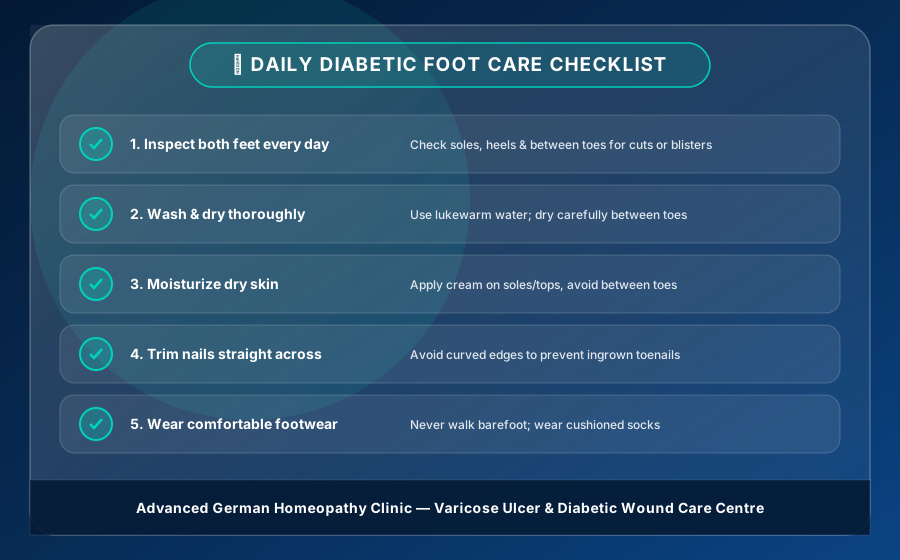
1. Inspect both feet every day
Check soles, heels, and between the toes for cuts, blisters, redness, or swelling. Use a mirror for the underside of the foot if bending down is difficult, and don't rely on how the foot feels — reduced sensation can hide a real injury.
2. Wash and dry thoroughly
Wash feet daily with lukewarm water and mild soap, then dry carefully — especially between the toes, where trapped moisture encourages fungal infection.
3. Moisturise, but not between the toes
Dry, cracked skin is an entry point for infection. A light moisturiser on the tops and soles of the feet helps, but keep the spaces between toes dry to avoid fungal growth.
4. Trim nails straight across
Cutting nails straight across, rather than rounding the corners, reduces the risk of ingrown nails — a common and easily avoidable source of infection.
5. Wear well-fitted, closed footwear
Shoes that are too tight, too loose, or worn without socks all increase friction and pressure points. Never walk barefoot, indoors or outdoors, even at home.
Building the Habit
The routine takes under five minutes but works best when it's tied to something you already do daily — checking your feet while applying moisturiser after a shower, for instance. Consistency matters more than any single check.
When Daily Care Isn't Enough
Daily self-care catches most issues early, but it doesn't replace a periodic professional foot check — particularly if you already have reduced sensation, poor circulation, or a previous foot ulcer. If you're unsure how often you should be assessed, we're happy to advise based on your individual risk.