

Introduction
A varicose ulcer is what happens when long-standing vein pressure finally breaks down the skin — usually just above the ankle, where the pressure from pooled blood is greatest. The good news is that this progression is largely preventable, and the habits that prevent it are simple, if not always convenient to keep up daily.
Why Ulcers Form Near the Ankle
The area just above the inner ankle bone — the medial malleolus — sits at the point of highest venous pressure in the leg when vein valves aren't working properly. Over years, this pressure causes fluid to leak into surrounding tissue, the skin to thin and darken, and eventually to break down into an open wound that heals slowly because circulation in the area is already compromised.
Who Is at Higher Risk
- Anyone with existing, untreated varicose veins
- A history of deep vein thrombosis (DVT) in the leg
- Prolonged standing occupations
- Obesity, which increases pressure on leg veins
- Older age, as skin and vein walls thin over time
- A previous varicose ulcer — recurrence is common without preventive care
Four Habits That Genuinely Help
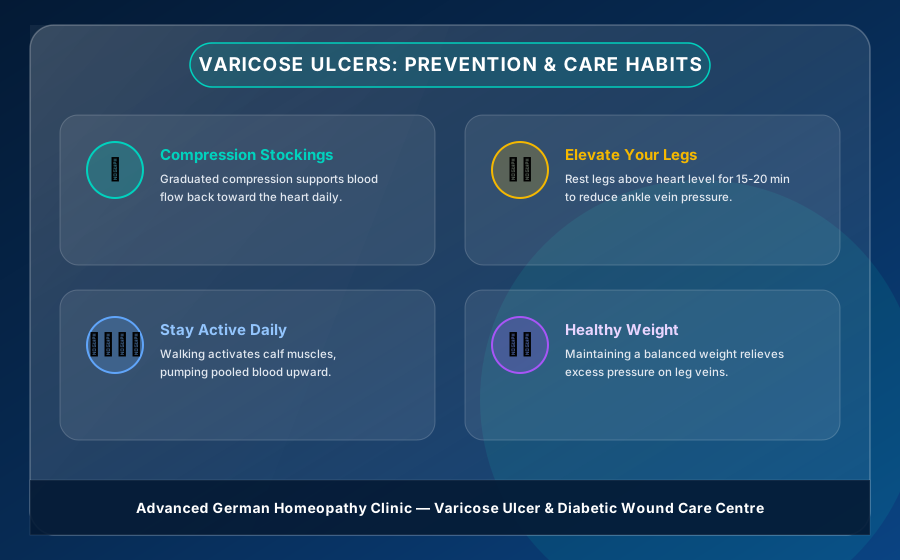
None of these require special equipment, though compression stockings should be properly fitted rather than bought off-the-shelf without guidance:
- Wear graduated compression stockings during the day, as advised for your circulation
- Elevate your legs above heart level for 15–20 minutes, a few times a day
- Stay physically active — walking activates the calf muscle pump that helps blood return to the heart
- Maintain a healthy body weight to reduce pressure on leg veins
Signs the Skin Is Already Under Strain
Before an ulcer forms, the skin often gives warning signs: a brownish discoloration around the ankle, thickened or hardened skin texture, persistent itching, or a shiny, tight appearance to the skin. Any of these are worth having assessed — this is the stage where prevention is most effective.
Getting Ahead of It
If you have visible varicose veins and any of the skin changes above, don't wait for an ulcer to form before seeking care. We assess vein health, skin condition, and circulation together, and can advise on a prevention plan suited to your specific situation.