

Introduction
Foot ulcers are one of the most preventable complications of diabetes — and also one of the most serious if missed. The tricky part is that the same nerve damage that raises the risk of an ulcer, diabetic neuropathy, often removes the warning signal of pain that would normally make you notice an injury.
Why Diabetic Feet Are Vulnerable
Chronically high blood sugar damages small nerves over time, reducing sensation in the feet — a condition called peripheral neuropathy. At the same time, it narrows blood vessels, slowing circulation to the feet and making it harder for any injury to heal. The combination means a small cut, blister, or area of friction can go unnoticed, stay unhealed for weeks, and gradually develop into an ulcer.
Warning Signs to Check For Daily
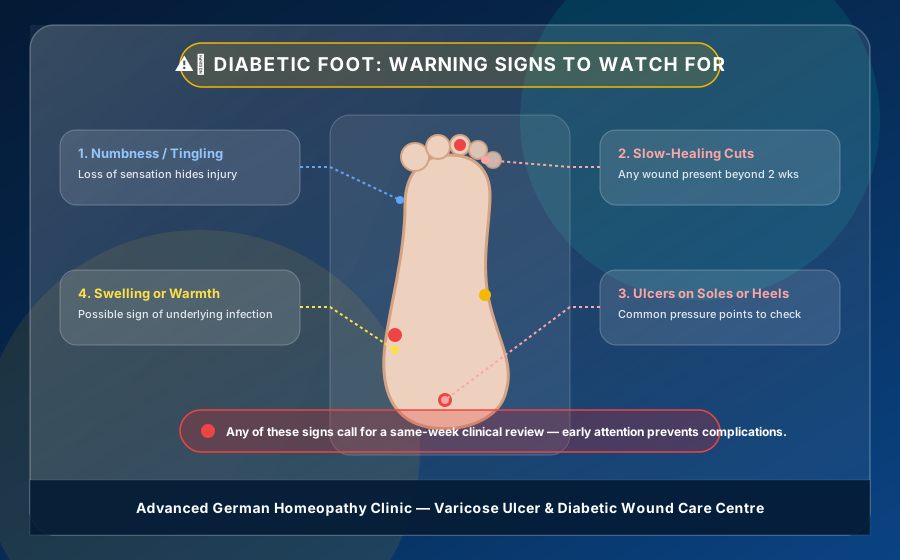
- Numbness, tingling, or a burning sensation in the feet or toes
- Any cut, blister, or crack in the skin, however small
- Redness, warmth, or swelling in one area of the foot
- Discoloration of the skin, especially darkening around a wound
- A wound that has not visibly improved after several days
- Unusual odour, which can indicate infection
The Daily Self-Check Routine
Because sensation can't always be relied upon, a visual check matters more than how the foot feels. Set aside two minutes each evening to inspect both feet — soles, heels, and between the toes — using a mirror if needed to see the underside. Anyone with reduced eyesight or mobility should ask a family member to check for them.
When to Seek Care Immediately
Any wound that hasn't started healing within two weeks, or shows spreading redness, discharge, fever, or a foul smell, needs same-week medical attention. Diabetic foot infections can progress faster than in people without diabetes, so it's never a case of 'wait and see' once these signs appear.
How We Approach Diabetic Wound Care
Our wound care programme combines careful cleaning and dressing with a constitutional homeopathic approach aimed at supporting the body's own healing capacity, alongside guidance on footwear and daily foot care. The earlier a wound is brought in, the more options we have to prevent it progressing.