

Introduction
A common question we hear from patients is how homeopathy fits alongside the practical, hands-on work of wound care — the cleaning, dressing, and pressure management that any wound needs. The honest answer is that it complements rather than replaces this work, supporting the body's own healing response while conventional wound care addresses the wound itself.
The Four Stages of Wound Healing
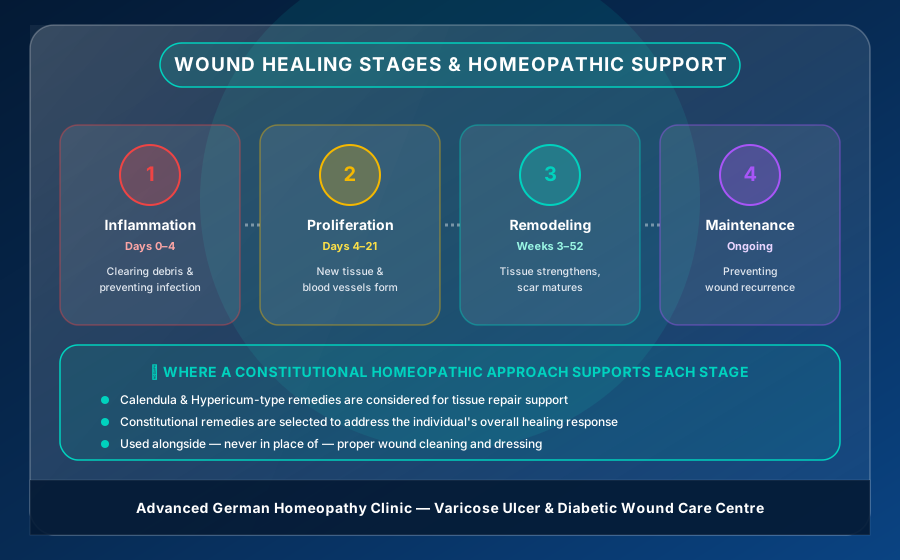
Every wound, diabetic or otherwise, moves through the same broad stages: inflammation in the first few days as the body clears debris and prevents infection; proliferation over the following weeks as new tissue and blood vessels form; remodeling over months as the new tissue strengthens; and ongoing maintenance to prevent recurrence. In diabetic patients, poor circulation and reduced immune response can slow or stall any of these stages.
Where a Constitutional Approach Fits In
Homeopathy doesn't treat 'a wound' in isolation — it considers the person's overall constitution, general health, stress levels, and how their body has responded to healing challenges in the past. Remedies are selected individually rather than as a fixed formula, with the aim of supporting the body's own capacity to repair itself through each stage of healing.
Commonly Considered Remedies
Certain remedies are traditionally associated with tissue repair and injury — for example, Calendula-based preparations for topical support, and Hypericum where nerve-rich tissue is involved. That said, remedy selection is never one-size-fits-all; what suits one patient's constitution may not suit another's, which is why a proper consultation matters more than following a generic list.
What Homeopathy Does Not Replace
- Regular cleaning and dressing of the wound
- Blood sugar monitoring and management
- Pressure offloading — keeping weight off the affected area
- Antibiotic treatment where a wound is clinically infected
- Vascular assessment if circulation is significantly impaired
We're clear with every patient: homeopathic support works alongside proper wound management, never instead of it. If a wound shows signs of infection or isn't progressing, that always takes priority.
A Combined Approach
In our experience, patients do best when both sides of care are addressed together — diligent wound management for the physical injury, and constitutional homeopathic support for the person healing from it. If you're managing a slow-healing wound, we're happy to talk through how this combined approach could apply to your situation.